
Inne
Zapisz
The Anthropocene: Landfills as an Evidence of a New Epoch
This fellowship project explores the role of landfills as evidence of the postulated Anthropocene epoch and their long-term ecological and engineering implications through studies at three selected sites in California.

Opis wydarzenia
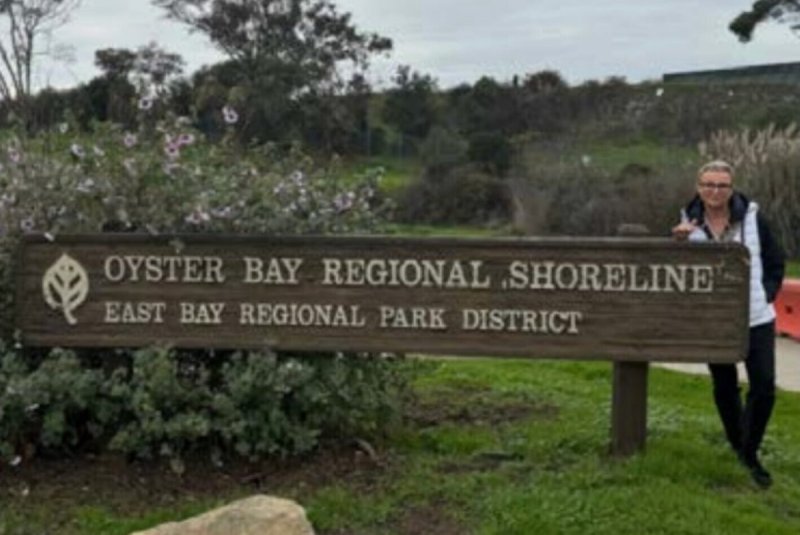
Human activities have profoundly impacted the Earth for centuries, resulting in the establishment of the postulated geological "ANTHROPOCENE" epoch characterized by accelerated erosion, chemical pollution, disrupted elemental cycles, altered climate, and unprecedented species invasions. Several of these changes are enduring, and some are even irreversible. Notable indicators of the "ANTHROPOCENE" encompass the presence of carbon particles in ash, plastic residues, and other "techno-fossils". These transformations and markers leave permanent imprints on Earth’s geological layers. Humanity has emerged as a potent global force that rapidly reshapes ecosystems. Landfills, which are the predominant waste disposal method, play a key role in this context. However, their use is associated with significant environmental costs, mainly soil degradation due to the release of pollutants and leachate, which subsequently leads to soil and water contamination. This issue is pervasive and affects both advanced and developing countries, with far-reaching consequences for the environment. Bioindicators, living organisms that are sensitive to environmental changes, play a crucial role in assessing ecosystem health. These organisms show discernible changes in behavior, appearance, or distribution, making them effective tools for detecting changes in the ecosystem. Stanford University, which I was fortunate enough to visit during my Kosciuszko Foundation-funded fellowship, is one of the world’s leading research institutions, renowned for its academic excellence, innovation, and entrepreneurial spirit. It offers a dynamic learning environment, state-of-the-art facilities, and opportunities to collaborate with top experts in a variety of disciplines. The university fosters a culture of interdisciplinary research and industry partnerships, particularly in technology and business. During my stay at Stanford University, I actively sought opportunities to broaden my knowledge and engage with the academic community. I made a conscious effort to take advantage of this opportunity by attending various lectures, seminars, and meetings. These experiences allowed me to interact with scholars, researchers, and students from different fields, enriching my academic and professional perspective. The diversity of topics and the high level of expertise presented at these events significantly contributed to my learning experience at Stanford. As part of the KF fellowship, studies were planned at three selected landfill sites to assess their engineering and environmental characteristics. One of these sites was the Albany Bulb Landfill, where a site visit was conducted for a structural and vegetation survey. The primary objectives of this study were: (i) to examine the engineering and environmental transformations of the Albany Bulb Landfill, analyzing its transformation from an industrial landfill to a public space, (ii) to assess the impact of human activity on the structural and material composition of the site by investigating how landfill history, visitor interactions, and long-term settlement processes affect site stability and surface characteristics. Landfills Survey Visits Albany Bulb Landfill Landfills such as Albany Bulb present complex engineering challenges due to their heterogeneous substrates resulting from a mix of construction debris, disturbed soils, and anthropogenic influences. These factors not only affect the geotechnical stability of the site, but also influence hydrological processes, material degradation, and overall site sustainability. In addition, human activities, including visitor traffic and historical land use, influence the structural integrity and evolution of the site over time. Multivariate ecological methods will be used to analyze the collected data. This biomonitoring effort, conducted in collaboration with Dr. Jan Winkler of the Mendel University in Brno, is part of a holistic analysis aimed at deepening the understanding of vegetation dynamics at the Albany Bulb Landfill. The study will track the progress of ecological succession on this transformed site, while also incorporating engineering considerations of land reclamation processes. In addition, the research will explore the implications of human intervention in the context of the Anthropocene, where the lasting effects of human activity on the environment are becoming increasingly apparent. The Oyster Bay Landfill The Oyster Bay Landfill is a closed landfill in the Oyster Bay Regional Shoreline, San Leandro, California. Managed by the East Bay Regional Park District (EBRPD), the site had operated as a landfill for 37 years before reaching capacity in 1977, at which time it was sealed with a clay cap. In 1980, the EBRPD acquired the property and began its transformation into a public park. The park now covers 157 acres along the eastern shore of San Francisco Bay, just south of Oakland International Airport. It offers several recreational amenities, including hiking and biking trails, picnic areas, and a disc golf course. One of the park’s distinctive features is the “Rising Wave” sculpture by artist Roger Berry, which adds to the park’s aesthetic appeal. The visit provided a valuable insight into the process of reclaiming former landfills for public use. The Oyster Bay Regional Shoreline is part of a broader initiative to reclaim and transform closed landfills into recreational spaces that contribute to environmental restoration and provide valuable open space for public enjoyment. This site visit complemented the research conducted during my internship and allowed for a deeper understanding of the artificial land created in San Francisco Bay. By observing and analyzing the site firsthand, I gained further insight into the challenges and strategies involved in land reclamation and the transformation of landfills into sustainable public spaces. The experience also prompted reflections on the Anthropocene, anthroposphere, and anthropogenic concepts related to the profound impact of human activity on the environment. The Oyster Bay site exemplifies the idea of the Anthropocene, where human influence has led to the creation of artificial landscapes for waste disposal, and later the repurposing of these altered spaces for public use. This transformation speaks to the ongoing discussion about the consequences of human interventions on natural systems and raises essential questions about how we can manage such anthropogenic legacies in ways that contribute to sustainability and ecological restoration in the postulated Anthropocene era. The Ox Mountain Sanitary Landfill The Ox Mountain Sanitary Landfill is an active landfill near Half Moon Bay, California. This landfill is a Class III municipal solid waste facility operated by Republic Services. It serves the San Mateo County area and accepts a variety of solid waste types, including construction and demolition debris, yard waste, and municipal solid waste. However, the facility is prohibited from accepting hazardous waste. The Ox Mountain Landfill has been in operation since 1976 and is expected to continue accepting waste for another 35 years. The facility is permitted to accept up to 835,000 tons of waste per year, with a cumulative capacity not to exceed 44.1 million tons. One of the most significant features of the Ox Mountain Landfill is its gas-to-energy project. This initiative captures methane gas produced by the decomposition of organic waste and converts it into electricity. In this way, the landfill contributes to the production of renewable energy while reducing greenhouse gas emissions and helping to mitigate the environmental impact of waste disposal. The visit provided an opportunity to observe firsthand the operational differences between landfills in the United States and those in Europe and other regions. It highlighted contrasting approaches to landfill management, regulatory oversight, and the use of technology. For example, the focus on methane capture for energy production at Ox Mountain differs from practices at certain European landfills, where stringent environmental regulations often prioritize landfill diversion and recycling. Zero Waste Systems During my fellowship, I also had a meeting with Associate Director Julie Muir of Stanford Zero Waste Systems to discuss the implementation of the Zero Waste Plan at the University. The discussion focused on the strategies and processes involved in the operation and implementation of the Zero Waste Strategy. The university is committed to promoting both healthy eating and environmental sustainability. It offers a variety of nutritious, balanced meals through its Dining Services, with an emphasis on locally sourced, organic, and seasonal ingredients. Stanford University emphasizes minimizing waste, though with varying degrees of success. It actively encourages the use of reusable containers and implements comprehensive composting and recycling programs across campus. Dining facilities are designed with sustainability in mind, and leftover food is typically either donated or composted. However, the effectiveness of these initiatives can vary depending on the specific campus location or community engagement. The university also works to raise awareness amongst students and staff about the environmental impact of their food choices, promoting plant-based diets as a more sustainable option. A significant portion of our conversation was devoted to the use of biodegradable and compostable packaging in the university’s dining facilities. We explored potential opportunities for collaborative research on the degradation of these materials and their impact on the environment.